DevRev Review 2026: AI Support Platform Fit & Limits
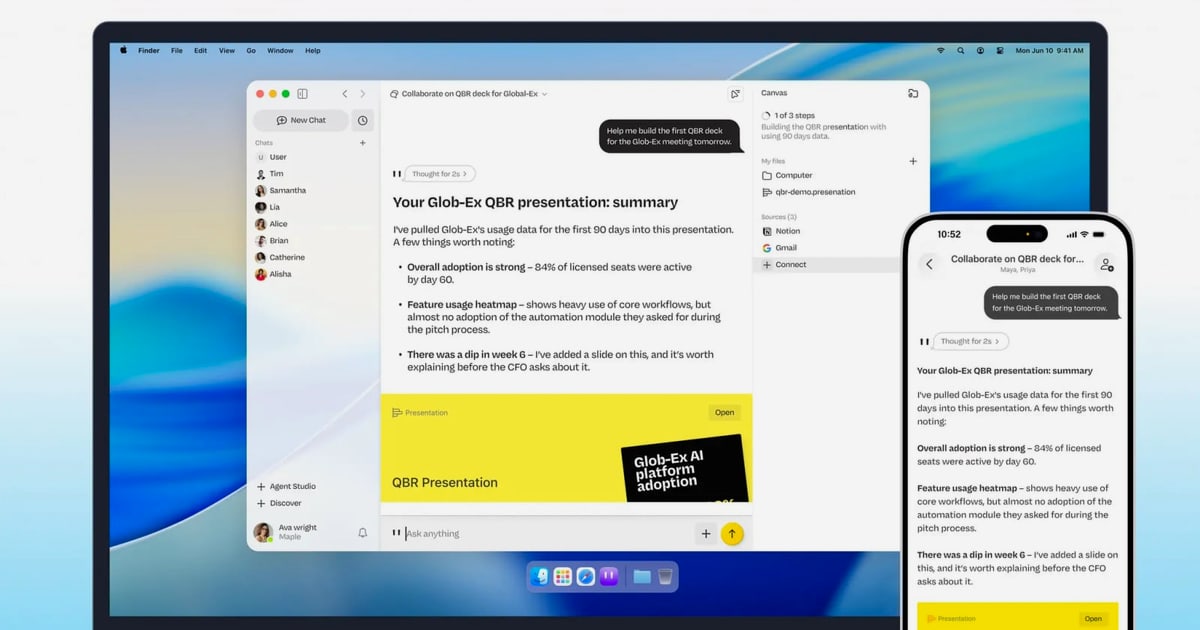
DevRev Review 2026: An AI Support and Product Platform Worth Switching For?
DevRev is an AI-powered enterprise platform that merges customer support, product development, and user insights into one system built on a shared memory architecture. Instead of treating support tickets, engineering issues, and product signals as separate silos, DevRev lets teams reason across live data to resolve problems faster. This review breaks down what the platform actually does, where it fits, what it costs in practice, and where it falls short — so you can decide whether it belongs in your 2026 stack.
What DevRev Is and Who It's Built For
Computer next.
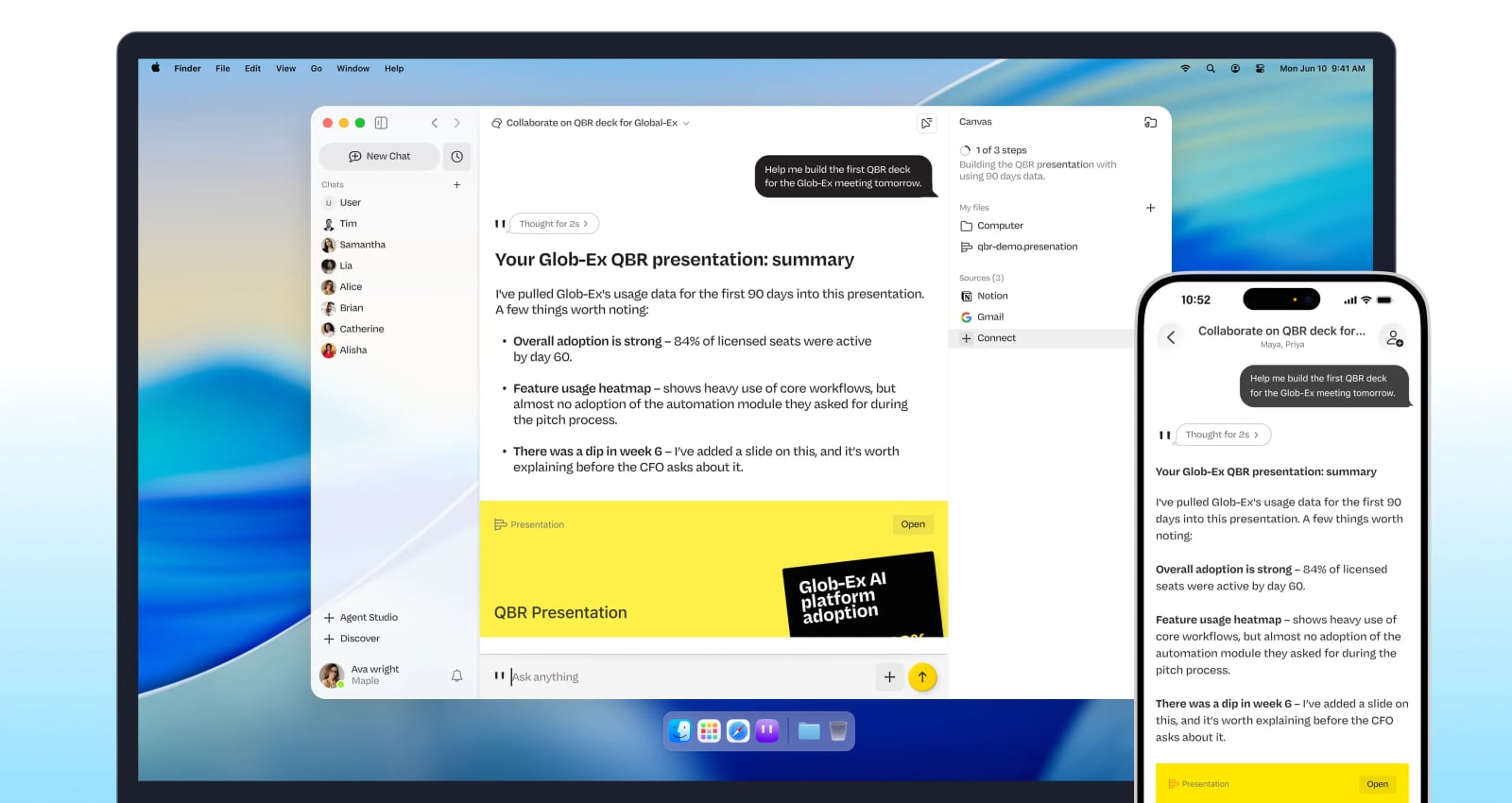
DevRev positions itself as the only enterprise AI platform with Native Shared Memory. In plain terms, that means support conversations, product telemetry, session replays, and engineering work items all live in one connected graph. When a customer reports a bug, the platform can surface related stack traces, prior tickets, and affected accounts without an engineer manually stitching context together.
The platform targets two broad groups:
- Fast-growing startups that need to scale support without proportionally scaling headcount, and want product and engineering close to the customer voice.
- Large enterprises that struggle with fragmented tools across support, success, and product teams, and want a single system of record for customer-facing work.
If your organization already runs a mature, deeply customized stack with heavy investment in a legacy ITSM or CRM, the migration math matters more than the feature list. DevRev's value is highest when silos are the actual bottleneck.
Core Capabilities That Matter in Daily Use
Computer next.
AI-driven ticket management
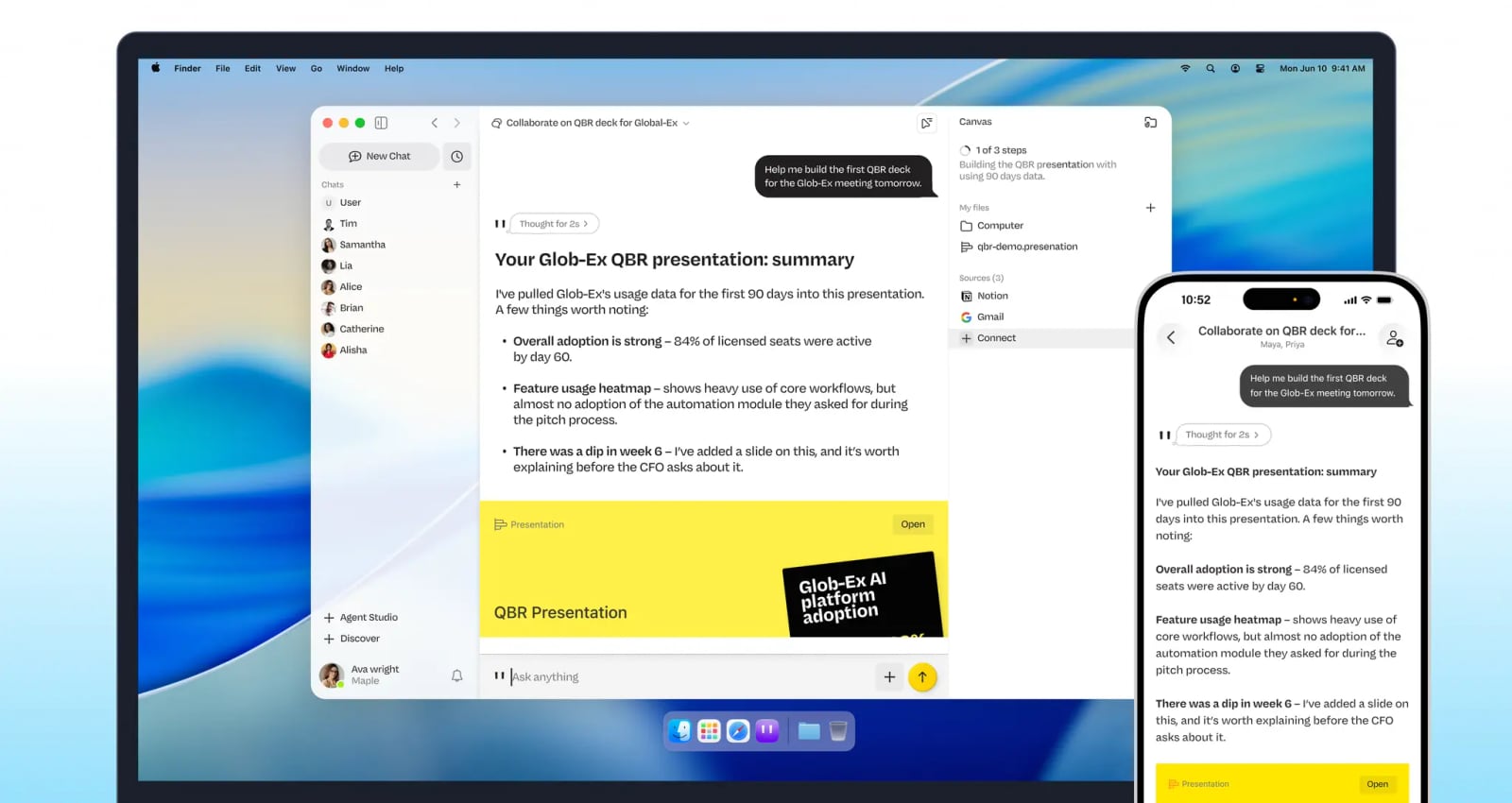
DevRev applies AI to triage, routing, and resolution suggestions. Tickets can be summarized, categorized, and matched to known issues automatically. Customer stories cited by the vendor include outcomes like 70% AI resolution rates and a 60% reduction in support turnaround time — figures worth validating against your own ticket mix during a pilot rather than assuming they transfer directly.
Session replay with stack traces
This is one of DevRev's more distinctive features. Support agents can watch a session replay tied to a specific ticket and see the stack trace behind a failure. That shortens the loop between "customer reports a problem" and "engineer understands the root cause," which is often where resolution time is actually lost.
Anomaly detection
DevRev watches for unusual patterns across product and support data. Instead of waiting for a flood of tickets, teams can catch a regression or outage signal earlier. This is most useful for products with meaningful usage telemetry.
Cross-functional collaboration
Because support, product, and engineering share one memory layer, handoffs look different. A support agent can link a ticket to a product issue, and the engineering team sees the customer impact without a separate tool. Integrations with channels like Slack and email keep the workflow inside tools teams already use.
In-app widgets for proactive assistance
DevRev supports in-app widgets that can surface help before a customer files a ticket. For SaaS products, this shifts some support from reactive to proactive, which is where the real cost savings usually come from.
Setup, Integrations, and Operational Reality
DevRev is a platform, not a plug-in. Expect a real implementation phase: data model design, channel connections, workflow configuration, and AI tuning against your historical tickets. Teams coming from a simple shared inbox will feel the difference immediately; teams coming from a heavily customized enterprise suite may find the migration lighter than expected, but not trivial.
Integration coverage includes common communication channels and collaboration tools. The practical question is not "does it integrate with X" but "how much custom work does my specific workflow require." Public review feedback on aggregator sites has noted that while the interface is clean, complex real-world custom integrations can require workarounds. Budget time for that, and test your two or three most unusual workflows during evaluation.
For a broader view of how AI-first support operations are structured, see this AI-first customer service playbook.
Pricing Signals: What to Expect

DevRev Review 2026: AI Support Platform Fit & Limits - Pricing Signals: What to Expect.
DevRev does not publish simple self-serve pricing, which is normal for enterprise platforms but frustrating for buyers who want a quick number. Based on the category and the platform's positioning, expect:
- Per-seat or usage-based pricing that scales with agents and possibly AI consumption.
- Enterprise contracts with annual commitments for larger deployments.
- Implementation and onboarding costs that are separate from subscription fees.
Treat any quoted AI resolution rate as a target to validate, not a guarantee. The honest ROI calculation is: current cost per resolved ticket × ticket volume, compared against platform cost plus implementation effort plus ongoing tuning. If you need a benchmark for what comparable platforms charge, this CXone review and this Kustomer review cover pricing signals in adjacent categories.
Strengths and Limitations
Strengths
- Genuine unification of support, product, and engineering data rather than API-deep integrations.
- Session replay with stack traces is a real differentiator for technical products.
- AI resolution and anomaly detection can reduce both response time and reactive workload.
- Strong fit for organizations where cross-team silos are the primary pain.
Limitations
- Custom integration complexity can surprise teams with unusual workflows.
- No transparent public pricing, which slows early-stage evaluation.
- The platform rewards teams willing to change process, not just swap tools.
- Employer reviews on sites like Glassdoor describe internal volatility at the company, which is worth weighing as a vendor-stability factor for long contracts.
- Independent user feedback is thinner than for older, more established competitors; G2 reviews and community threads such as this Reddit discussion are useful but limited in volume.
DevRev vs Adjacent Platforms: A Decision Framework
Computer next.
DevRev is not competing purely on helpdesk features. It competes on whether a unified memory layer beats a best-of-breed stack.
- Choose DevRev if support, product, and engineering context is genuinely fragmented, your product is technical enough to benefit from session replay and stack traces, and you have the appetite to redesign workflows.
- Choose a traditional helpdesk if your primary need is fast, low-cost ticket management without a platform migration. Comparisons like Intercom vs Botpress vs Freshdesk are more relevant there.
- Choose a specialized CX suite if you need deep workforce engagement or contact-center routing at scale rather than product-engineering unification.
A practical test: pick five recent tickets that took too long to resolve. If the delay was caused by missing context across teams, DevRev's model addresses the root cause. If the delay was caused by staffing or process, a new platform will not fix it.
Related reading
- Insurance Customer Service: Best Channels & AI Guide 2026 - Compare insurance customer service channels, response times, and AI tools. Learn how to reach insurers fast and how AI is reshaping policyholder support.
- Intercom vs WotNot vs CXone: 2026 AI Support Comparison - Compare Intercom, WotNot, and CXone on AI agents, pricing, channels, and fit. Find the right customer service platform for your team in 2026.
- Olark Careers: Jobs, Culture, and Remote Work in 2026 - Explore Olark careers: open roles, remote-first culture, benefits, hiring process, and what it's like to work at the live chat company in 2026.
FAQ
Is DevRev a helpdesk or a product platform?
It is both, by design. DevRev combines customer support ticketing with product development work items in one shared memory layer, so the same system handles customer conversations and the engineering work they generate.
Does DevRev publish pricing?
No transparent public pricing is available. Expect to go through a sales process with per-seat or usage-based quotes and separate implementation costs. Always request a pilot with defined success metrics before signing an annual contract.
What is Native Shared Memory in DevRev?
It is the platform's core architecture: support, product, and sales data live in one connected system rather than being synced between separate tools. The practical benefit is that AI and agents can reason across all of it at once.
Who should avoid DevRev?
Teams that want a simple, cheap shared inbox, teams with no engineering involvement in support, and organizations unwilling to change internal workflows will get limited value. The platform's advantages depend on cross-functional adoption.
How long does implementation take?
It depends heavily on workflow complexity. Simple deployments can move quickly, but custom integrations and AI tuning against historical data typically extend timelines. Test your most unusual workflows during evaluation.
Conclusion
DevRev is a credible answer to a real problem: support, product, and engineering teams that lose time because context lives in different tools. Its shared memory architecture, session replay with stack traces, and AI-driven triage are meaningful differentiators, and the vendor's customer outcomes — including 70% AI resolution rates and 60% faster turnaround — are directionally plausible for the right ticket mix.
The trade-offs are equally real: nontrivial setup, custom integration work, opaque pricing, and a thinner independent review base than legacy competitors. For a technical, fast-moving organization where silos are the bottleneck, DevRev deserves a serious pilot. For teams that mainly need efficient ticket handling, a more conventional platform will likely cost less and deliver sooner.