Drift vs Grip: What's the Difference and Which Is Better?
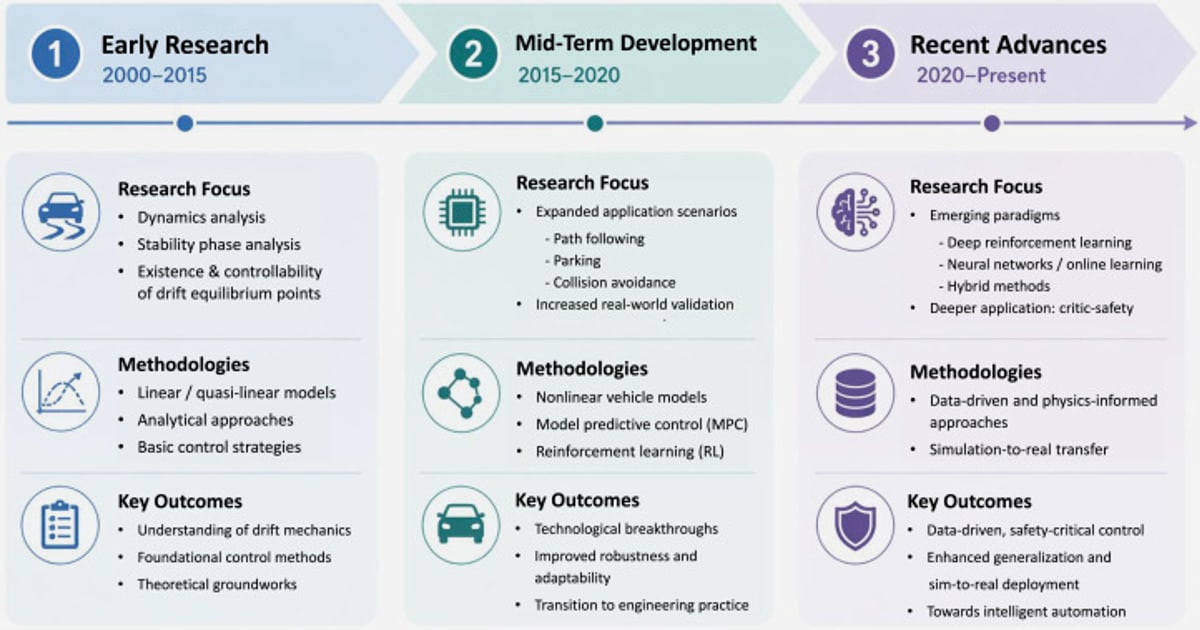
Drift vs Grip: What's the Difference and Which Is Better?
Drift and grip are the two fundamental ways to take a car through a corner, and they sit at opposite ends of motorsport philosophy. Grip driving chases the fastest possible lap by keeping the tyres planted. Drift driving deliberately breaks traction and turns the slide itself into the performance. Understanding the difference matters whether you are choosing a discipline to compete in, picking a track day format, or just trying to settle an argument about which style is "better." This guide breaks down how each works, where they overlap, and how to decide which one fits your goals.
What Is Grip Driving?
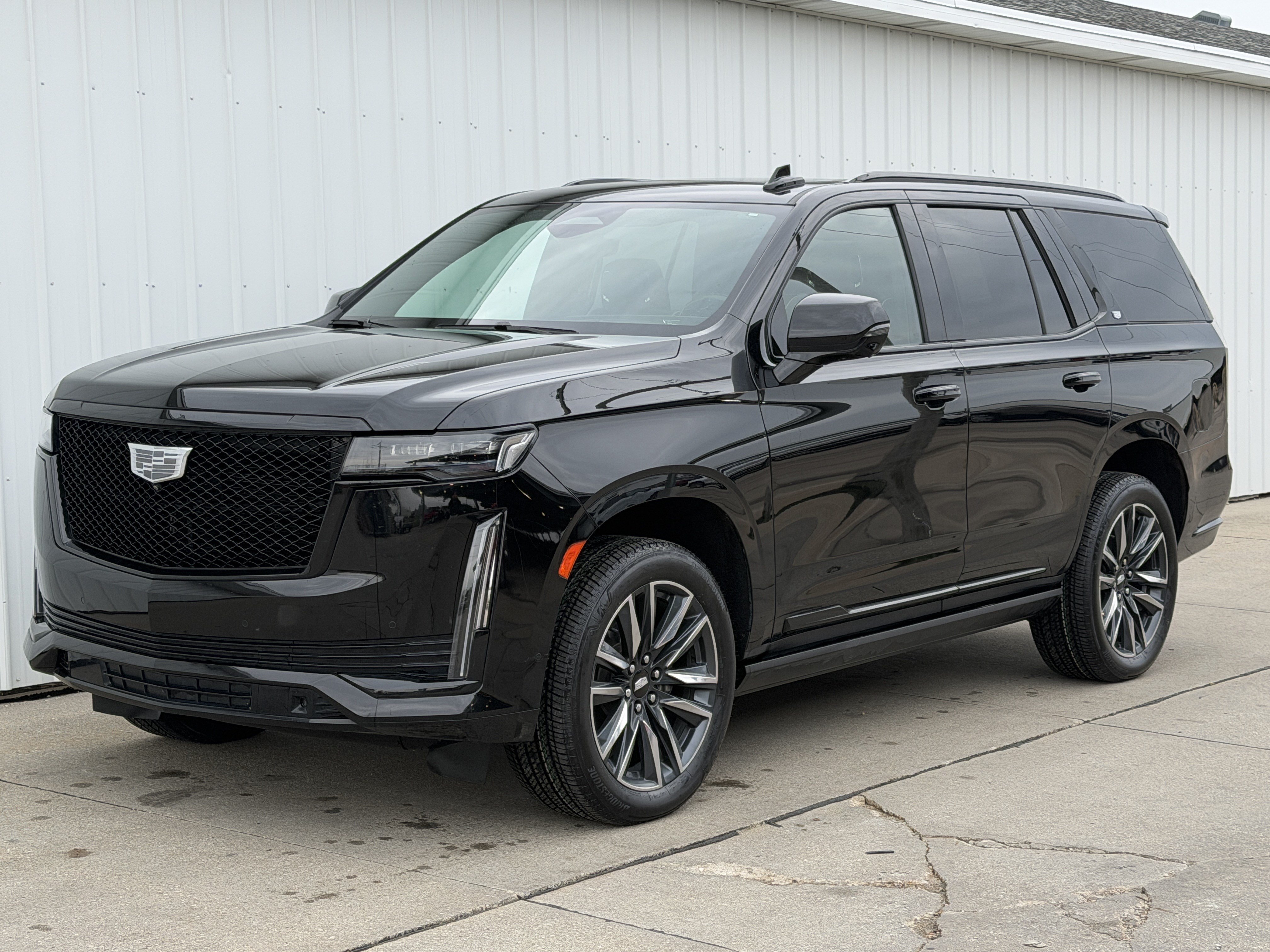
Drift vs Grip: What's the Difference and Which Is Better? - What Is Grip Driving?.
Grip driving is the pursuit of maximum traction and minimum lap time. The driver brakes as late as the car allows, carries the ideal cornering speed, and gets back on the throttle as early as possible on exit. The stopwatch is the only judge.
Key traits of grip driving:
- Traction is the priority. Tyres stay within their grip limit, so the car follows a clean, efficient racing line.
- Precision over spectacle. Small inputs, smooth weight transfer, and consistent lap times matter more than dramatic moments.
- It underpins most motorsport. Circuit racing, rally, hillclimb, and formula categories all reward grip-based technique.
- Feedback is immediate. If you overdrive a corner, you lose time instantly, which makes grip a harsh but effective teacher.
What Is Drift Driving?
Drift vs Grip: What's the Difference and Which Is Better? - What Is Drift Driving?.
Drift driving is the intentional, controlled slide of a car through a corner. Instead of preserving grip, the driver deliberately exceeds the rear tyres' traction and manages the slide with throttle, steering, and weight transfer. The goal is not the fastest lap but the quality of the drift itself.
Drift is typically judged on:
- Angle — how pronounced the slide is
- Speed — how much momentum is maintained through the slide
- Fluidity — how smoothly corners link together
- Style — the driver's individual expression behind the wheel
Drifting grew out of Japanese street culture in the 1980s and became a formal international discipline with its own competitions and star drivers. It is also one of the most technically demanding skills in motorsport: holding a slide requires constant, coordinated corrections.
Drift vs Grip: Head-to-Head Comparison
Drift vs Grip: What's the Difference and Which Is Better? - Drift vs Grip: Head-to-Head Comparison.
| Factor | Drift | Grip |
|---|---|---|
| Primary goal | Style, angle, and control of the slide | Fastest possible lap time |
| Traction | Deliberately exceeded | Preserved within the limit |
| Judging | Subjective criteria plus competition rules | The stopwatch |
| Signature skill | Throttle and counter-steer balance | Braking, apex speed, and exit traction |
| Typical venues | Drift circuits, skidpans, judged events | Race circuits, rally stages, hillclimbs |
| Learning curve | Steep; requires car control reflexes | Steep; requires precision and consistency |
Which Is Faster?
In a straight fight on a race circuit, grip wins. A car that keeps its tyres within the traction limit can carry more cornering speed and put power down earlier on exit. Drifting scrubs speed, heats tyres, and adds distance to the racing line.
The nuance is that the two are not as separate as they look. Modern drift cars are often built with drag-racing levels of power and torque, and a well-set-up drift car can be extremely quick in a straight line. The comparison is really about cornering philosophy, not raw horsepower.
Do They Share Any Skills?
More than most people expect. Both disciplines depend on:
- Weight transfer awareness — knowing how load moves between the tyres under braking, steering, and acceleration
- Throttle control — applying power without upsetting the car
- Tyre understanding — reading how grip changes with temperature, surface, and slip angle
Many drivers train in both. Drift sharpens reflexes for extreme situations and teaches car control at the limit of adhesion. Grip builds precision, consistency, and disciplined lap-time execution. Together they make a more complete driver.
How to Choose Between Drift and Grip

Drift vs Grip: What's the Difference and Which Is Better? - How to Choose Between Drift and Grip.
Choose based on what you actually want from driving, not on which sounds more impressive.
Pick drift if you:
- Enjoy style, expression, and the adrenaline of a slide
- Want to develop car-control reflexes in low-grip situations
- Are drawn to judged competition rather than time-based racing
- Have access to a skidpan, drift circuit, or organised drift school
Pick grip if you:
- Want to chase lap times and measurable progress
- Prefer precision, consistency, and clean technique
- Plan to compete in circuit, rally, or hillclimb events
- Want a skill set that transfers directly to most forms of racing
Pick both if you:
- Want the broadest possible car-control foundation
- Have the budget and track access for more than one discipline
- Are early in your driving journey and still exploring
A Practical Starting Point
If you have never driven at a limit, start with grip-focused instruction on a circuit. You will learn braking points, apex speed, and throttle discipline in a controlled environment. Once you are comfortable with weight transfer and can feel the tyres approaching their limit, a drift school or skidpan session becomes far more productive — and far safer.
For drivers already working in customer-facing or service roles in the automotive world, the same principle of matching the tool to the job applies. Teams comparing support platforms for dealerships, insurers, or mobility brands can see how channel and AI choices affect response quality in this insurance customer service channel and AI guide.
Common Misconceptions About Drift and Grip
"Drifting is just losing control." No. A controlled drift is the opposite of losing control — it is sustained, deliberate management of a car that has exceeded its grip limit. Losing control means the slide ends in a spin or an off.
"Grip driving is boring." Grip driving at the limit is intensely demanding. The margin between a fast lap and a ruined one is often a few centimetres of braking point or a fraction of a second of throttle timing.
"You have to choose one forever." Plenty of drivers move between disciplines, and skills from one improve the other. Drift teaches you what happens beyond the limit; grip teaches you how to stay just beneath it.
"Drift cars are just slow." Drift builds prioritise angle, steering lock, and sustained power delivery over lap time. That is a design goal, not a limitation.
Related reading
- DevRev Review 2026: AI Support Platform Fit & Limits - Evidence-based DevRev review for 2026: shared memory AI, ticket workflows, setup effort, pricing signals, limitations, and who should buy it.
- Intercom vs WotNot vs CXone: 2026 AI Support Comparison - Compare Intercom, WotNot, and CXone on AI agents, pricing, channels, and fit. Find the right customer service platform for your team in 2026.
Sources and further reading
- Drift vs Drag Battle! ’66 Big Block Nova vs 950hp Corvette - We’re coming in with another round of drift versus drag, since we’re convinced that modern drift cars are more or less drag cars built to go sideways. Matt F...
FAQ
Is drift faster than grip?
No. On a timed circuit, grip driving is faster because it preserves traction and cornering speed. Drift is judged on style, angle, speed, and fluidity rather than lap time.
Can you drift and grip the same car?
In principle, yes, but setup matters. Drift cars typically run more steering angle, different suspension geometry, and tyres chosen for consistent slide behaviour. Grip cars are set up to maximise traction and lap time. A dual-purpose car will compromise on both.
Is drifting harder than grip driving?
Both are difficult in different ways. Drifting demands constant, fast corrections and a feel for the car beyond the traction limit. Grip demands precision, consistency, and the discipline to hit the same line lap after lap.
Where can beginners learn to drift?
Specialist drift schools provide prepared cars and instruction on closed circuits, which is the safest way to start. Learning on public roads is dangerous and illegal in most places.
Does drifting damage a car?
Sustained drifting puts extra load on tyres, clutches, cooling systems, and steering components. That is why drift cars are built and maintained specifically for the discipline.
What is the difference between drift and grip in one sentence?
Grip is about keeping the tyres stuck to the track to go as fast as possible; drift is about deliberately breaking traction to control the slide for style and judged performance.
Conclusion
Drift and grip are not rivals so much as two answers to the same question: how do you want to take a corner? Grip rewards precision and delivers lap times. Drift rewards car control and delivers spectacle. Most drivers who try both come away better at each, because the limit of traction feels very different from either side.
Start with the discipline that matches your goals, get proper instruction on a closed circuit, and treat the other style as a skill to borrow from rather than a side to pick. If you are evaluating tools for an automotive or service business at the same time, comparisons like this Intercom vs Dixa vs Deskpro breakdown show how the same fit-over-hype logic applies to support platforms.
For a deeper look at how driving disciplines are taught and compared, see Torque Drift School's drift vs grip overview and this explainer on chemical volatility vs drift, which is a useful reminder that "drift" means something very different outside motorsport.